
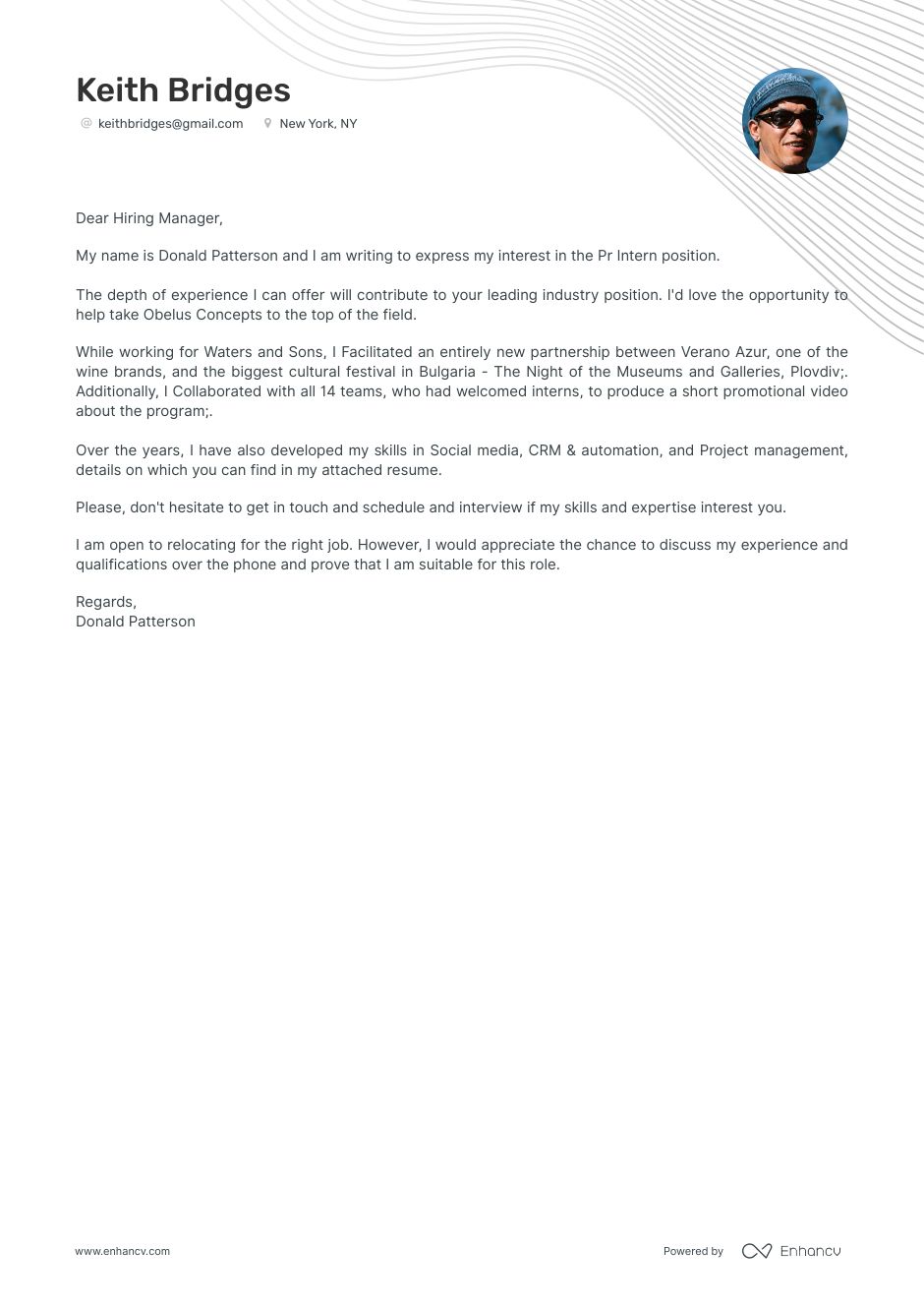

How to Write a Cover Letter for an Internship
Your cover letter is the first thing that recruiters see when they view your resume, so you want to make a good impression. To do this, you’ll need to make sure your letter is concise and clear.
It should include your name, contact information and an introduction to the position you’re applying for. It should also focus on your interests, skills and qualifications to match the internship’s requirements.
1. Focus on Your Interests
When writing a cover letter for an internship, it’s important to focus on your interests. This is especially important if you’re applying for an internship that involves a specific industry or position. By highlighting your interest in that area, you can demonstrate how your skills and experiences will be relevant to the company and how they could help you perform well in the role.
A cover letter is the first chance you have to convince the hiring manager that you are the best candidate for their internship. To make the most of this opportunity, it’s essential to take your time and craft an engaging letter that will entice them to call you for an interview.
One way to focus on your interests is by discussing a project or task that you’ve been working on. This could be something as simple as writing an article for a college newspaper or even something as elaborate as designing a website for a nonprofit.
It’s also a good idea to talk about your hobbies, particularly those that relate to the industry in which you’re interested. For example, if you’re interested in tech, talk about how you love programming and the computer.
This is especially useful if you’re applying for a position that involves coding. It’ll show the hiring manager that you have a passion for the subject and can put that passion to work in your internship.
Finally, make sure to research the company you’re applying to thoroughly. This will allow you to write about the organization’s values and what sets them apart from other companies in the industry.
In addition to focusing on your interests, it’s also important to be professional and polished in your cover letter. A few small mistakes in grammar or formatting can ruin your chances of getting the internship you want.
While it’s a good idea to follow a standard cover letter structure, it’s essential to customize your content for each individual internship. This will ensure that your letter is a good fit for each particular company and their needs. It’s also vital to proofread your cover letter carefully to ensure that there are no spelling or punctuation errors.
2. Highlight Relevant Experiences
When writing a cover letter for an internship, it’s important to highlight all the relevant experiences that you have had while at the internship. This will help you stand out from other candidates and increase your chances of being chosen for the position.
First, carefully review the job description for the internship to determine which skills and experiences are most relevant. Then, you can start your cover letter by highlighting those skills and describing how they apply to the position and the company.
After that, it’s also a good idea to discuss any extracurricular or volunteer work that you have done. This will demonstrate your dedication to the company and the field that you are applying for.
The cover letter is your opportunity to convince the hiring manager that you are the best candidate for the position and show them why you are right for the company. So make sure to use the correct tone and language when composing your letter.
It’s also a good idea to include any academic experience you have had that can prove beneficial to the internship, such as coursework that applies to the industry or job. Additionally, you can describe the extracurricular activities that you have been involved in to highlight your leadership and time management skills.
Next, you can mention any specific projects that you have worked on while at the internship. This can give the hiring manager an idea of how you work and what your strengths are.
For example, if you are applying for a software development internship, it’s a good idea to include your accomplishment statement on the resume under the internship description. This statement should include your action, a quantified result, and how you were able to improve the company’s productivity or efficiency.
3. Focus on Your Skills
When you write a cover letter for an internship, it’s important to focus on your skills. This will help you stand out from other candidates and make a positive impression on the hiring manager.
Even if you don’t have experience working in the industry, you can still use your cover letter to highlight the skills and qualifications you possess. In particular, consider how your academic experiences or extracurricular activities have helped develop the necessary abilities to perform well in this position.
You can also reference the specific skills listed in the job description and find ways to match your experience with them. For example, if the position requires you to work effectively with others, describe a project in which you worked as part of a team and honed your leadership skills.
If you’re applying to an IT or other technical internship, mention the skills that you have that are relevant to the job. For example, if the position calls for experience in programming, you can discuss how your coursework or work experience in computer science have helped you master basic programmatic concepts and hone your problem-solving skills.
In addition, you can include any special qualifications that you have that will benefit the employer. For instance, if you’re applying for an information technology internship, you can mention your experience with coding or other software applications, which will demonstrate your technical capabilities and show that you can take on complex tasks with ease.
Aside from mentioning your qualifications, you can emphasize your passion for the field or company you’re applying to. This will give your cover letter a personal touch that makes it more engaging for the reader and shows that you’re interested in the internship beyond its benefits.
Ultimately, your cover letter is the most important part of the application process because it can make or break your chance at being hired as an intern. Therefore, be sure to spend a lot of time on it and make sure that it is professionally written and error-free. It is also a good idea to run it through a proofreading service to catch any glaring errors in spelling or grammar.
4. Highlight Your Ambition
When writing a cover letter, you want to convey your ambition in a way that is distinct from your resume. It should relate to the job description and request qualifications, explain why you would like to intern at the company and show you are well-researched.
Your cover letter should be a short, but detailed piece that is tailored to the position you’re applying for. Ideally, it should be four paragraphs and use up about one page of your total letter length.
You should focus on the details that will make you stand out from other applicants, especially when it comes to your education. You can highlight relevant coursework and major projects you’ve worked on, as well as your participation in student groups or volunteer opportunities.
This also provides an opportunity to demonstrate your initiative and your ability to think on your feet. If you’re lacking work experience, this may be your best chance to shine.
A key part of this is to provide specific numbers, percentages, or estimates to quantify the impact you’ve made. For example, if you created and implemented a strategy that led to $1M in new revenue sales, then you can provide that information as evidence of your skills.
Another way to highlight your ambition is to explain the concrete results you’ve achieved in previous jobs or internships. For example, if you brought in new clients, made processes more efficient, or spearheaded a successful campaign, you can provide examples of these accomplishments and explain the impact you’ve had.
Finally, you should mention any relevant achievements from other areas of your life that show off your strong leadership and communication skills. This may include a time when you were in charge of a project for your school newspaper, or volunteering at a shelter to help those in need.
A good way to get started is by writing an outline of your letter. Take a few minutes to free write, and then read over your words to see how you can make them more engaging. You can even ask a friend or family member to review your draft. Once you have your cover letter written, it’s important to proofread and check for spelling mistakes or grammar errors.