

How to Post a Job on LinkedIn
You want to post a job on LinkedIn, but you don’t know how. You are not alone. Many people find themselves in this situation. Here are some tips for you.
Set a daily budget for posting jobs
The average LinkedIn user has several options for promoting their job opening. They can set a daily budget, purchase a ‘job post’ or use their PPC (pay per click) budget.
When it comes to setting a daily budget, there are a few things you need to know. First, LinkedIn will not charge you for more than 50% of your total budget in one day. A higher daily budget means more users will see your job ad. In the same way, a lower daily budget will mean less in your pocket. You also need to remember that the cost to advertise your job on LinkedIn varies with the time of year.
The best way to get a handle on your LinkedIn advertising costs is to make sure you are getting the most out of your buck. To do this, you need to choose the appropriate platform for your needs. There are three basic types of advertising: paid, organic and ads for the members. All three have their advantages and disadvantages, but it is up to you to determine which type is best suited for your needs.
When it comes to determining the best method for managing your LinkedIn marketing budget, a mix of paid and organic methods is the best bet. For example, paid advertisements are usually a better bet for fast turnaround times, while organic campaigns are better suited for more long term campaigns. While there are no set rules for how much you should spend on each advertising channel, it is generally best to stick with a monthly budget.
With so many different ways to promote your job opening, it can be a challenge to decide which method will suit you the best. But, with a little research and experimentation, you should be able to find the perfect mix for your unique circumstances. As a result, you will be able to effectively market your vacancy to the right candidates. From there, you can rest easy knowing your ad will be seen by a reputable pool of applicants. After all, there are over 810 million active users on LinkedIn.
Implement a share button on your job posts
The LinkedIn share button allows you to share your job postings with others. Using this feature can boost your chances of being contacted for a potential position. However, it does require a little more effort than simply sending an email.
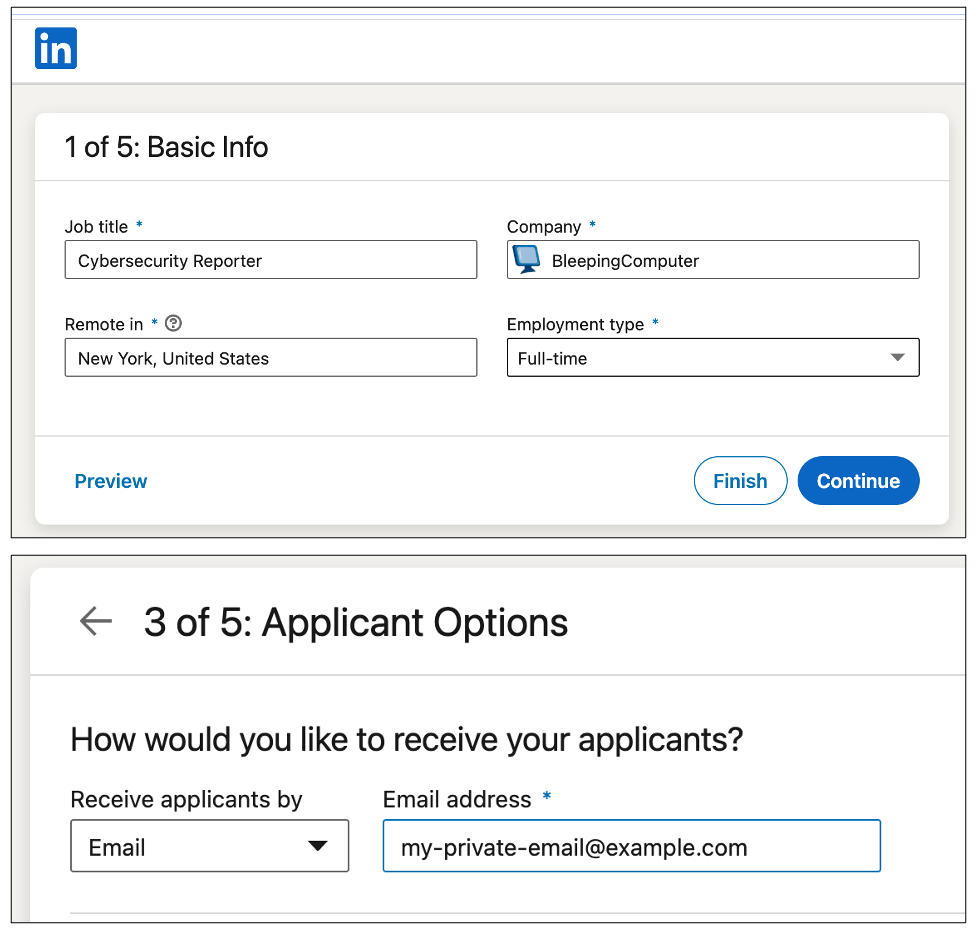
First, you will need to set up a job post. Once you’ve created a posting, you can choose to share it with any number of groups. It is also possible to share it with other social networks.
You can share your LinkedIn job posts by email, direct message or via social media apps such as Facebook or Twitter. When you share a job post, it will appear on your personal LinkedIn page as well as your company’s page.
The next step is to go to the profile page of the person you want to share the post with. From here, you can start typing the name of the group. After you’ve finished, you’ll see a preview of the post.
If you want to see how many people have shared the post, click the ‘View’ button. On the right side of the screen, you’ll see the details of each post.
One thing to note is that not everyone in your network will see your posting. LinkedIn’s algorithm looks for a number of different factors when choosing the most interesting posts. This includes emoji reactions and interesting content.
You’ll also see the number of likes and comments on a post. This can be a good indicator of how popular the post is. However, it’s unlikely that your posts will get a lot of views.
Another useful feature is that you can reshare old job postings. You can also ask your followers to amplify your posts. Your posts may also be displayed in your friends’ News Feeds.
While you are posting your job posting, you might consider adding a #Hiring frame around your profile photo. This will make it easier for your followers to see when you are hiring.
For more information about sharing your job postings, visit the wikiHow page. There, you can learn about the various methods for promoting your jobs, including using LinkedIn’s Share button.
Add images, emojis or even a GIF
If you’re looking to get more engagement on your posts on LinkedIn, you might want to consider adding images, emojis, or even a GIF. These communication tools can help you engage your audience and attract new visitors.
Using an animated GIF can help you stand out from the crowd. This is particularly important if you’re trying to reach younger entrepreneurs, who might be seeking more attractive forms of communication.
Another reason to use an animated GIF is that you can humanize your points. While you can use emojis to convey emotion, they don’t really give the same level of expressiveness as an animated GIF.
You’ll also need to find an external platform to add a GIF to your post. Sirv, for example, offers a massive GIF library. It’s free to sign up for a free account, and you’ll be able to download and host different-size GIFs for thirty days.
An alternative way to add an image to your post is to use a GIPHY service. These services provide a search function for relevant animated images. Once you find a suitable one, you’ll be able to save it as an image. Alternatively, you can copy it by right-clicking and selecting Copy Image.
The next step is to upload your GIF to your LinkedIn profile. Then, you can either choose to save it as a gif or add it as a header to your article.
When you’re posting a job on LinkedIn, you’ll want to keep your content professional. But you can add creativity and a little fun to your posts with a GIF.
Adding a GIF to your LinkedIn post is one of the newest features on the social networking site. Unlike other platforms, LinkedIn allows you to share the GIF, thereby increasing the chance of reaching more people.
In addition to posting GIFs, you can also add other types of images, like videos, and emojis. These images can help you stand out from the crowd, and can make your content more interesting.
So, next time you’re posting on LinkedIn, consider using an animated GIF, emoji, or even a mini video to boost your message. Your audience will be able to relate to what you’re saying, and you’ll have a more fun and creative experience overall.