

How to List Internships on Resume
Internships are a great way to build work experience and make connections in your chosen industry. They also give you a competitive edge if you’re changing careers or trying to break into a new field.
However, you should only include internships on your resume if they’re relevant to your current career goals and next steps. Otherwise, you may not need to include them at all.
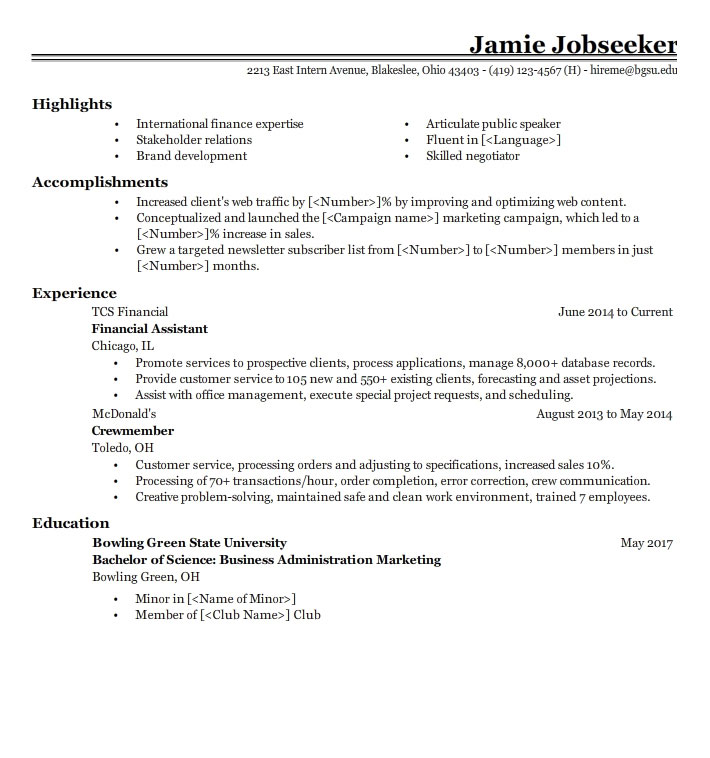
List Your Internships in the Work Experience Section
Internships are a great way to hone your skills, gain valuable experience, and connect with people in your field. As a result, they can be a critical component of any resume. Whether you’re a student, recent grad, or an experienced professional looking to switch careers, it’s important to know how to list internships on your resume so that your experience shines and potential employers see the value in hiring you.
You don’t have to include every single internship on your resume, but it’s a good idea to choose only a few that are relevant to the type of position you’re applying for. For example, if you’re an engineering graduate and applied for a job as a museum docent, then it’s likely you should leave off the internship you did as a librarian during college.
When listing your work experience, be sure to include the formal title of your position, the company name, the location, and the dates you worked there. Then, write a brief description of your responsibilities and achievements within the internship.
The most important thing to remember when writing your work experience section is to focus on the things that matter most to the employer. You want to make your work history as concise as possible so that the person reading your resume can easily skim through it.
It’s also important to keep in mind that your work experience is an ad for your career, so it should be tailored to the needs of the hiring manager and the position you’re applying for. This means that it’s best to list your most relevant positions first and then go back in reverse chronological order.
In addition to your work experience, you should include a section that lists any extracurricular activities and hobbies that you have. These will help you stand out among other candidates and indicate that you are unique.
If you have multiple internships, you can list them in a separate section of your resume that’s dedicated to interns. This is particularly helpful for students who want to highlight their internships and showcase how their experiences translate into the type of job they’re looking for.
List Your Internships in the Education Section
Internships are temporary positions that allow students or recent graduates to gain practical experience in a field or industry. They may be paid or unpaid, and they typically last for a few months.
Including internships on your resume can help you stand out from other job applicants, especially when you’re just graduating or don’t have a lot of relevant work experience. However, you should only list them in this section if they’re more relevant to the position than any other work experience you have.
When listing your internships, make sure to include a brief description of what you did, where it was located and the dates of employment. Providing this information helps recruiters and hiring managers quickly identify your internship.
You should also include a section that highlights what you learned and how it will benefit your career. This will show that you are eager to grow and learn in your next role.
It is best to list your internships in reverse chronological order, starting with the most recent one and working your way backward. In this order, you can easily highlight responsibilities and accomplishments.
If you want to add more information, consider adding a table of contents at the beginning of your resume that lists your name, duration of the internship, the company you worked for and its location. This detail can also help a hiring manager understand your internship better and relate it to your education background.
Another option is to separate your internships into a separate section of your resume. This is especially helpful if you have several past internships relevant to the position for which you are applying and don’t have enough space to list them all in your work experience section.
In addition to highlighting the specific responsibilities you performed during your internship, you should also list the skills you gained as an intern. These can include the ability to manage projects, communicate effectively and solve problems.
You should also consider mentioning any training or certifications that you received during your internship, which will make employers more likely to hire you. This could include CPR certified or other skills that are important to the position you’re applying for.
List Your Internships in the Skills Section
Internships are an invaluable part of any resume, especially if you’re a recent graduate or career changer. They show employers you are serious about the career you want to pursue and that you have the experience and skills needed for the job.
A good way to list your internships on your resume is by creating a skills section that highlights the key skills you developed during your time at your internship. You should also list the responsibilities you had while working at your internship, as this is an important way for hiring managers to see the real value you bring to the company.
For example, if you worked at a technology company as an intern, you might list your knowledge of SEO strategy development, keyword research, and website optimization. Or if you worked at a marketing agency as an intern, you might include your understanding of social media management and email campaign development.
You should also note any special responsibilities you had while working at your internship, such as managing the customer service department. This is an important detail to include as it shows potential employers that you are responsible and can handle the pressures of a busy work environment.
It’s also a good idea to list the specific industry you were interning in, as this will help prospective employers understand how well-suited you are for the job. You can also list the employer name, location, and date of your internship.
If you are applying for a role that requires extensive industry experience, you should list your internships in this section, as well. This will give you more credibility with potential employers and will make you stand out from other candidates.
Another option is to list your internships in a dedicated internship section on your resume, as opposed to in the Work Experience or Education sections. This is particularly useful for those who have many internships that are relevant to the job they are applying for, as it can be difficult to fit all of them into a single section.
If you are unsure about how to list your internships on your resume, ask a trusted friend for advice or read over other resumes of people in similar positions to the one you’re looking for. It’s also a good idea to meet with your previous internship supervisor as they will know the best ways to phrase and format your past achievements to match what hiring managers are looking for.
List Your Internships in the Accomplishments Section
Internships are a great way for recent graduates to gain practical work experience, as well as professional skills. In some cases, internships can also help you secure full-time jobs.
When listing your internships on your resume, it is important to highlight the responsibilities, achievements and accomplishments you gained during your time there. This is especially true if your internship is relevant to the job position you are applying for.
You should include your internship title, company name, dates you worked there, and a short description of the position in bullet points. This is the same format you would use for any other item in your work experience section.
List your internships in reverse chronological order, starting with the most recent one first and moving backwards through all of them. This ensures that hiring managers can easily identify the most relevant internships to your application.
It is also a good idea to mention your responsibilities and achievements in the internship description, even if they aren’t directly related to the position you’re applying for. This will allow hiring managers to see that you are dedicated and committed to your new career.
You can include a short description of your duties in a bullet point format, as well as any specific skills or achievements you gained during your internship. This is especially important if you don’t have a lot of relevant work experience to include on your resume.
For example, if you’ve worked as an intern for a marketing company and have written a number of blog posts for their social media accounts, you should highlight this on your resume.
Using this format is important because it allows you to show hiring managers what you can do and how well you can do it. You can list your responsibilities and achievements, including how you helped to improve the company’s reputation and boost sales by promoting new products.
The key is to focus on responsibilities that are relevant to the role you’re applying for, rather than on busywork like answering phones or photocopying. You should also include quantitative data that shows your impact on the organization, such as the number of sales you generated or the average customer satisfaction rate. This will show employers that you’re dedicated and hardworking, and it will also make your resume more attractive to potential employers.